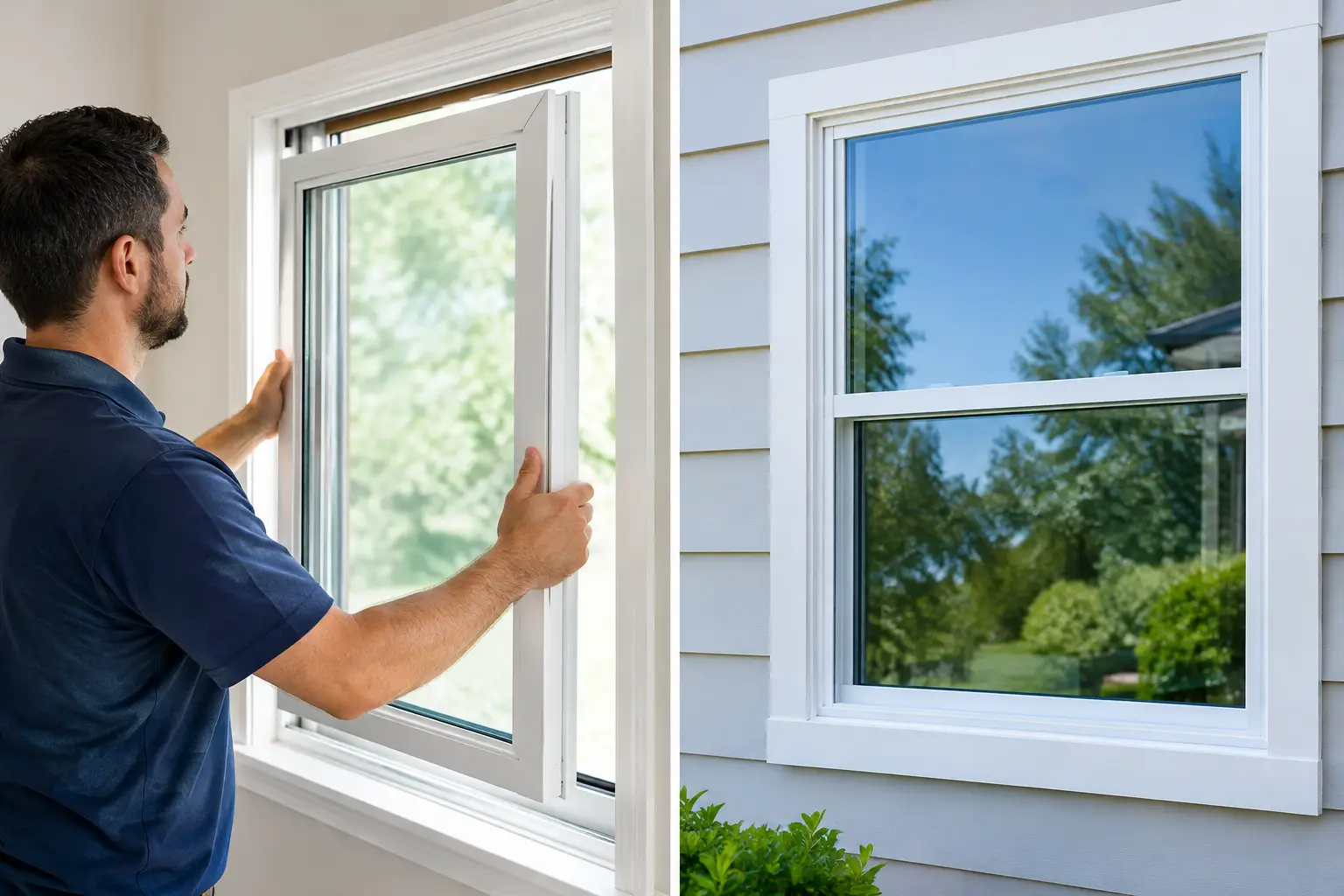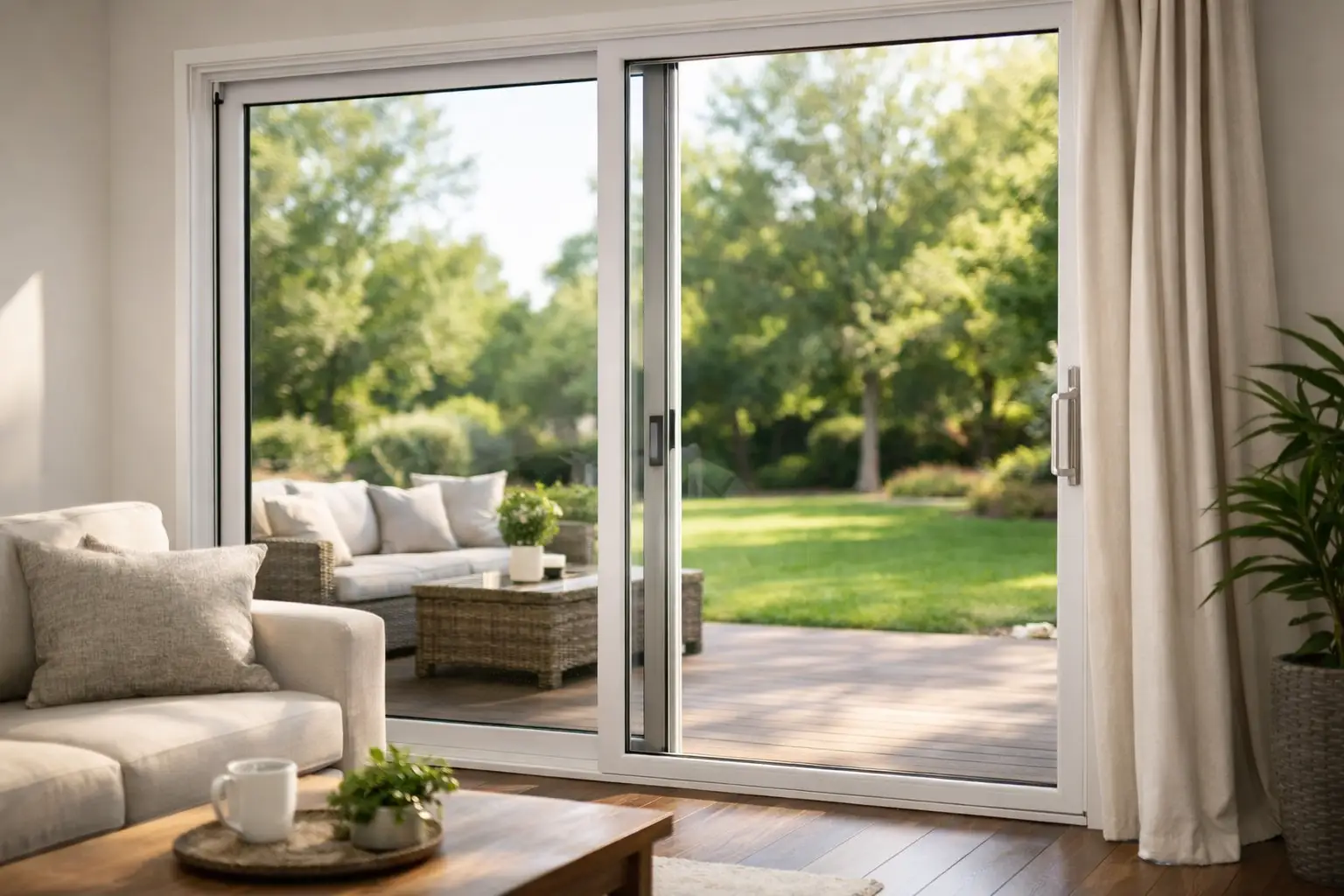
A patio door can be the largest opening in your home, which means it has an outsized effect on the room around it. When sliding patio doors are hard to move, let in drafts, fog between the panes, or make outdoor noise feel close enough to touch, the problem is more than cosmetic. A well-built replacement can make a favorite room quieter, more comfortable, and easier to enjoy every day.
For homeowners across Virginia and North Carolina, the right door must handle humid summers, cold snaps, wind-driven rain, and years of regular use. That calls for more than attractive glass. It calls for durable construction, energy-conscious glass, dependable weather sealing, and professional installation that fits the opening correctly.
What Makes a Sliding Patio Door Perform Well?
A quality sliding door should operate smoothly without feeling loose or flimsy. It should close firmly, lock securely, and create a consistent barrier between your conditioned living space and the weather outside. Those basic expectations depend on several parts working together: the frame, glass package, rollers, weather seals, interlock, and installation.
The frame is where long-term durability begins. Vinyl frames are valued for their low-maintenance finish and resistance to moisture. Unlike wood, they do not require regular painting or sealing. A reinforced frame adds stiffness where it matters, helping the door stay aligned through temperature changes and daily opening and closing.
Precision-assembled or welded frame corners also matter. Corners are natural stress points, and solid construction helps the entire unit hold its shape. That supports smoother operation, a tighter seal, and a cleaner appearance over time.
Insulated Glass Does More Than Improve the View
Most homeowners notice glass first, and for good reason. Large panes bring daylight into the home and create a wide connection to the patio, deck, or backyard. But the glass also has a major role in comfort and energy use.
Insulated glass uses two panes separated by a sealed space. This construction helps slow heat transfer compared with a single pane of glass. Low-E glass coatings can further help manage solar heat and ultraviolet exposure while still allowing useful natural light into the room.
The best glass package depends on the home. A door facing strong afternoon sun may benefit from glass designed to limit solar heat gain. A shaded opening or a room that feels cold in winter may call for a different balance. A local dealer can help match glass performance to the door’s orientation, your comfort concerns, and the climate where you live.
Glass choices can also affect fading. Low-E coatings help reduce the ultraviolet rays that can contribute to fading in flooring, fabrics, and furniture near the door. No glass can eliminate fading entirely, but the right package can offer meaningful protection in a sunny room.
Weather Sealing Is Where Comfort Is Won or Lost
A patio door may look solid and still perform poorly if air and water find their way around the panels. Effective weather sealing helps limit drafts and keeps wind-driven rain where it belongs: outside.
Look for multiple lines of weatherstripping, a well-designed interlock where the moving and fixed panels meet, and a sill built to manage water. These details are often overlooked during a quick showroom comparison, but they shape how the door feels on a cold morning or during a summer storm.
A tight door can also reduce the workload on your heating and cooling equipment. Energy savings vary based on the existing door, the home’s insulation, local utility rates, and how the room is used. Still, replacing a worn or poorly sealed door can help reduce the uncomfortable temperature swings that cause homeowners to keep adjusting the thermostat.
Choosing the Right Sliding Patio Doors for Your Home
There is no single best patio door for every house. The right choice begins with how you use the opening and what you need the door to solve.
A standard two-panel configuration works well for many homes. One panel remains fixed while the other slides open, creating a practical passage to a patio or deck. Larger openings may benefit from wider panels or multi-panel configurations, though added glass and size can affect cost, weight, and installation requirements.
Color and grid options deserve attention, too. A white vinyl door remains a classic low-maintenance choice, while exterior color options can help coordinate with existing windows, siding, or trim. Grids can complement a traditional home, while clear glass often suits a more contemporary look and preserves a broad outdoor view.
Before choosing a configuration, consider four practical questions:
- How much clear opening do you need for everyday traffic, pets, furniture, or entertaining?
- Which direction does the door face, and how much direct sun does it receive?
- Is outside noise from traffic, neighbors, or lawn equipment a concern?
- Do you need the new door to match nearby windows and exterior trim?
These answers help narrow the choices without turning the process into a guessing game. A door that looks right on a sample wall may not be the best fit for a sun-heavy family room or a narrow deck entrance.
Why Professional Measurement and Installation Matter
Even an excellent door cannot perform as intended if it is measured or installed incorrectly. Patio door openings are not always square, level, or free from hidden water damage. Older homes can have framing shifts, worn sills, and exterior trim issues that only become visible once the existing unit is removed.
Professional installation starts with careful measurement and an assessment of the opening. The installer should address the sill condition, flashing needs, frame fit, insulation around the unit, and operation before the job is complete. A door that is forced into an uneven opening may slide poorly, fail to latch correctly, or develop air and water leaks.
This is also why the lowest initial quote is not always the lowest long-term cost. A lower-priced door may use lighter components or offer fewer performance features. A rushed installation can create problems that are expensive to correct later. Value comes from a door built with quality components and installed by people who understand how every part of the opening must work together.
Vinyl Design products are supported through independent authorized dealers who can guide homeowners through product options, measure the opening, and provide installation and ongoing support. That local relationship matters when you are making a purchase intended to serve your home for decades.
Everyday Features That Make a Difference
The best patio door features are usually the ones you stop thinking about because they work reliably. Smooth rollers make the panel easy to move. A sturdy handle and dependable locking system make it easy to secure at night. An optional foot lock can provide an additional measure of ventilation security when used as designed.
Screen options are another everyday consideration. A properly fitted screen lets you enjoy fresh air while helping keep insects out. Because screens experience regular use and occasional damage, ask how replacements and service are handled before you buy.
Maintenance should be straightforward. Keep the sill track free of dirt, leaves, and pet hair so water can drain and rollers can move freely. Clean the glass with a nonabrasive cleaner, wipe the frame with mild soap and water, and inspect weatherstripping periodically. Avoid harsh solvents and abrasive pads that can damage finishes or seals.
If the door begins to drag, stick, or collect water in the track, do not ignore it for years. Early service can often prevent a minor adjustment from becoming a more involved repair.
Look Beyond the Door Itself
A replacement patio door affects more than the opening in the wall. It can change how a room holds its temperature, how much outdoor sound reaches the living space, and how inviting the transition to your outdoor area feels. It may also improve the home’s appearance from both inside and out.
For homeowners planning a broader exterior update, it is often helpful to consider the patio door alongside replacement windows, entry doors, and trim colors. Matching sightlines, frame colors, and grid patterns can give the home a more intentional appearance. However, there is no need to replace everything at once if one failing door is the immediate priority.
Warranty coverage should be part of the decision as well. Read what is covered, who performs service, and how accidental glass breakage is handled. Clear warranty protection provides confidence, but a responsive local dealer provides the practical support homeowners need if a question arises after installation.
A patio door should feel like a welcome opening, not a source of drafts, frustration, or extra maintenance. Start with your room, your climate, and the way your household uses the space, then work with an experienced local professional to select a door built to keep working long after installation day.