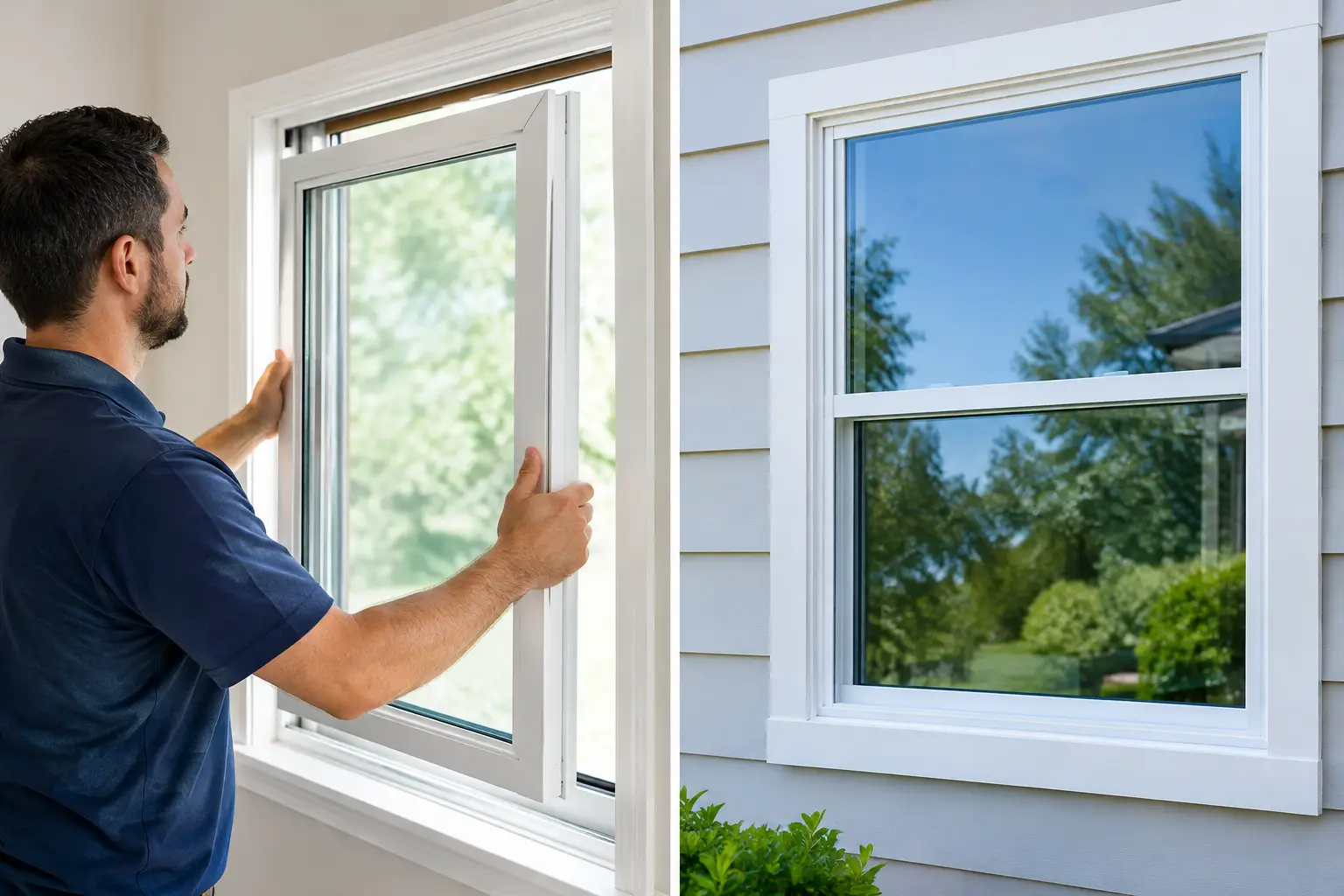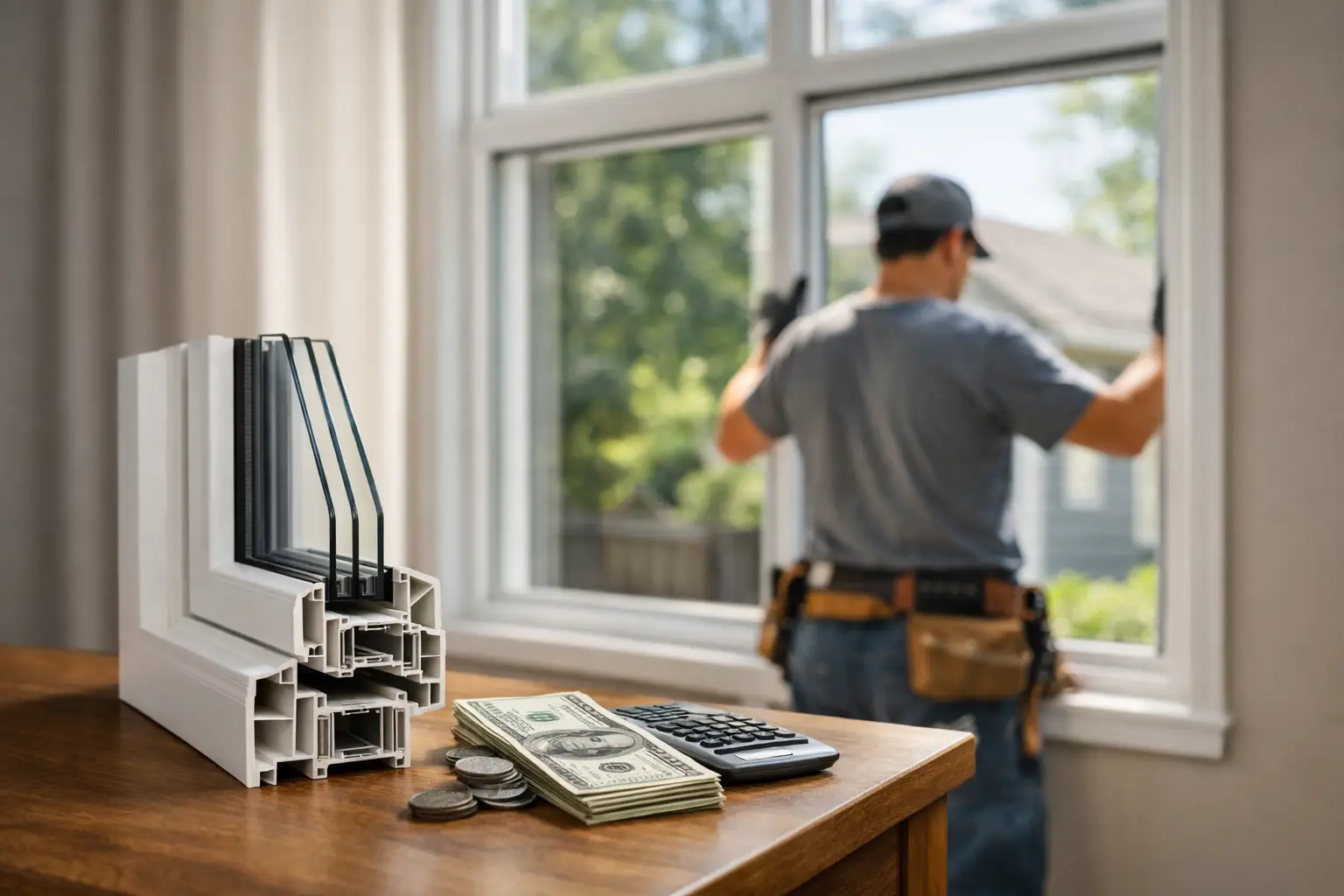
A window can look acceptable from the sidewalk and still be the reason a bedroom feels cold every January, a living room overheats in July, or the HVAC system seems to run without a break. Vinyl replacement windows are designed to address those daily comfort problems with insulated construction, dependable weather sealing, and low-maintenance frames that hold their appearance year after year.
For homeowners in Virginia and North Carolina, the question is not simply whether vinyl is a good material. It is whether the window is built and installed to perform through humid summers, cold snaps, heavy rain, and long stretches of direct sun. The answer depends on the frame, glass package, seal, installation quality, and the fit for your specific home.
What Vinyl Replacement Windows Change in a Home
Older windows often fail gradually. Weatherstripping compresses, sashes stop closing tightly, insulated glass loses its seal, and wood frames may require repeated scraping and painting. Homeowners may notice a draft near the couch or condensation along the glass before they realize how much the windows are affecting comfort and energy use.
A well-made vinyl replacement window creates a more controlled barrier between your home and the weather outside. Insulated glass helps slow heat transfer. Quality weather seals help limit air leakage. Multi-chamber vinyl frames create insulating air spaces, while reinforced frame construction helps the unit stay stable and operate properly over time.
The result is practical: rooms can feel more even from one side of the house to the other, outside noise may be less intrusive, and the heating and cooling system does not have to work as hard to overcome leaky, poorly insulating windows. Actual energy savings vary with your existing windows, the size of the project, your home’s insulation, and how you use your HVAC system. But reducing drafts and inconsistent temperatures is often a noticeable improvement on its own.
Construction Details That Separate Better Vinyl Windows
Not every vinyl window is built to the same standard. A low initial price can be appealing, but it may reflect thinner profiles, fewer sealing points, basic glass, or less precise assembly. Those shortcuts can show up later as difficult operation, air leaks, or a frame that does not maintain its shape as well through seasonal temperature changes.
When comparing vinyl replacement windows, look beyond the color and style sample. Ask a local professional to explain how the window is constructed and why each component matters.
Reinforced frames and welded corners
A vinyl frame needs strength as well as insulation. Reinforced sections can help support larger openings and improve long-term stability. Precision-welded corners are another key detail. Rather than relying on mechanically fastened corners alone, welded joints form a continuous connection that helps the frame resist air and water infiltration while maintaining a clean, finished appearance.
That construction matters most on windows that receive strong sun exposure, face regular storms, or are installed in larger sizes. The right configuration depends on the opening, the style you choose, and local conditions.
Weather sealing that works with the sash
A window should close with a firm, consistent seal without requiring a struggle to lock. Multiple weather seals around the sash help block wind-driven rain and unwanted air movement. They also support quieter rooms by reducing the small gaps that allow outdoor sound indoors.
Good weather sealing is only effective when the window is properly sized and installed. A high-quality product cannot make up for an opening that was measured incorrectly or a frame that was not prepared carefully.
Insulated glass matched to the climate
Glass makes up most of a window, so its performance has a major effect on comfort. Insulated glass units use two or more panes separated by a sealed space. Low-E coatings are designed to manage solar heat and help reflect heat energy, supporting indoor comfort in both warm and cool seasons.
The best glass package is not always the same for every home. A west-facing family room with intense afternoon sun may need a different approach than a shaded north-facing bedroom. Homeowners should ask about glass options for heat control, UV protection, privacy, and sound reduction instead of choosing based on one generic performance number.
The Installation Is Part of the Window System
Replacement windows are custom-fit products, not off-the-shelf inserts. Before ordering, a qualified dealer should inspect the existing openings, measure carefully, look for signs of moisture damage, and discuss whether a standard replacement installation or a more extensive opening repair is needed.
During installation, the crew must position the unit squarely, secure it correctly, insulate appropriate gaps, and seal the exterior to manage water. Interior trim and exterior capping should be finished carefully so the completed project looks appropriate for the home as well as performs as intended.
This is why a local dealer relationship matters. An authorized dealer can help identify issues that are easy to miss during an online search or a quick in-store comparison, such as a soft sill, an out-of-square opening, or a room that needs a different glass package. They are also the people homeowners can call if a question comes up after installation.
Choosing the Right Style for How You Live
The best window style is the one that suits the room, the opening, and the way you use it. Double-hung windows remain a popular choice because both sashes can operate and tilt inward for easier cleaning. Sliding windows work well in wide openings and areas where an outward-swinging sash would be inconvenient. Casement windows can offer a tight compression seal and are useful where homeowners want broad ventilation and an unobstructed view.
Picture windows bring in light and provide a clear view but do not open for airflow. Bay and bow configurations can add dimension to a room and create a stronger exterior focal point. Specialty shapes can preserve a home’s architectural character when standard rectangular windows are not the right fit.
Color, grids, hardware, and frame profiles also deserve attention. A replacement project should improve performance without making the home look mismatched. It helps to view full-size samples and discuss how the selected windows will work with siding, brick, shutters, doors, and the home’s overall style.
When Replacement Makes More Sense Than Repair
Repair can be the right choice for a single broken balance, worn hardware component, or minor weatherstripping problem. But replacement is often the more durable answer when multiple windows have failed seals, recurring drafts, rotted frames, difficult operation, or noticeable condensation between glass panes.
Consider the whole-home picture as well. Replacing one failing window can solve an immediate problem. Replacing several windows at once can create a more consistent appearance and performance level, and it may make sense when the home has windows from the same aging installation period. There is no universal rule, though. A dealer can help prioritize the openings causing the greatest comfort or maintenance concerns.
Questions Worth Asking Before You Buy
A good consultation should leave you with clear answers, not a stack of confusing specifications. Ask how the frame is reinforced, where the weather seals are located, what glass package is recommended for your exposures, and how the installer will address existing trim or water damage.
Also ask who performs the installation, what the workmanship coverage includes, and how future service is handled. Vinyl Design products are supported through independent authorized dealers, giving homeowners a local point of contact for selection, installation, and follow-up. Review warranty terms closely, including the available lifetime warranty coverage and accidental glass breakage protection, so you understand what is covered and how service is requested.
The right window project starts with the room that bothers you most. Whether it is a drafty upstairs bedroom, a noisy street-facing living area, or windows that have become a maintenance chore, bring those concerns to a local professional. A careful in-home evaluation can turn a general wish for better windows into a practical plan built for your home, your climate, and the years ahead.